Home energy assessment
Home Energy Assessments in New York City
A home energy assessment shows where your house loses heat and lets air in. We talk with you, walk through the house and look at your attic, walls and basement. Whenever we can, we also test it with a blower door, and we may use an infrared camera. Afterward you get the work we propose and its price in writing, so you can decide with the facts in hand.
- A walk-through with you
- Blower door test where we can
- Checks for wiring, moisture and mold
- Written scope and price afterward
Last reviewed:
What happens during the assessment?
A visit usually takes 1–1.5 hours. The U.S. Department of Energy describes the blower door test and the infrared camera scan as the two most common techniques, often done together (Source: U.S. Department of Energy, checked Oct 23, 2026). Here's what we do:
- Talk and walk-through. We talk with you about drafty rooms, cold floors or high bills, then walk through the house and look at the attic, walls, basement and heating system.
- Blower door test. Whenever we can, we run a blower door test. A strong fan in a doorway lowers the air pressure inside, so outside air comes in through every gap. It shows how leaky the house is, and where.
- Infrared camera. We may also use an infrared camera. It shows temperature differences on walls and ceilings, so missing insulation and air leaks show up as darker or lighter patches.
- Safety checks. We look for old wiring, moisture, mold and materials that may contain asbestos, such as vermiculite insulation (Source: U.S. EPA, checked Oct 24, 2026). A look can't tell whether something contains asbestos (Source: U.S. EPA, checked Oct 27, 2026), so we don't touch anything that might. These problems must be dealt with before insulation goes in. If your scope includes air sealing, we test your gas furnace, boiler and water heater for safe venting before and after the sealing (Source: ENERGY STAR, checked Oct 23, 2026).
An infrared camera shows where a house loses heat. In the infrared view, brighter colors are warmer.
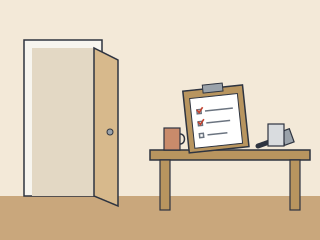 We talk with you and walk through the house.
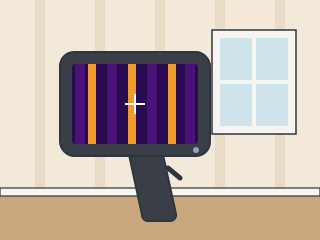 We may also use an infrared camera. It shows warm and cold spots.
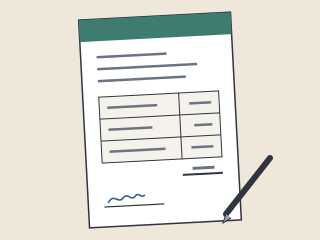 You get a written quote.
What do I get afterward?
You get a written scope: what we found, the work we propose, the materials, the R-values where they matter, and the price.
You decide what happens next. Nothing is installed until you sign a contract, and you can cancel until midnight of the third business day after signing (Source: NYC DCWP, checked Nov 5, 2026).
Who should do the assessment?
The U.S. Department of Energy advises using a certified energy assessor (Source: U.S. Department of Energy, checked Oct 23, 2026). Ask any contractor who will do the assessment and what training they have. You can check our NYC license yourself on DCWP's license search, and our license and insurance are on our licenses and disclosures page.
Our assessments are done by a BPI-certified Building Analyst Professional (BA-P). BPI, the Building Performance Institute, is a nonprofit group. It writes standards for checking and improving homes, and it certifies the people who do this work (Source: BPI, checked Oct 24, 2026).
What does an assessment cost?
We don't charge for the assessment. The price of any work we recommend is in your written quote, and you decide whether to go ahead.
Questions about home energy assessments
What is a blower door test?
It's a test with a strong fan fitted into an outside doorway. The fan pulls air out of the house, so outside air rushes in through every gap. A pressure gauge measures how leaky the house is, and the test helps find where the leaks are (Source: U.S. Department of Energy, checked Oct 23, 2026).
What does an infrared camera show?
It shows the surface temperature of walls and ceilings as an image. Cold patches can mean missing insulation. During a blower door test, air leaks show up as dark streaks (Source: U.S. Department of Energy, checked Oct 23, 2026). It shows where to look; it doesn't see inside the wall.
How do I get ready for an assessment?
Make a list of problems you've noticed, like drafty rooms, cold floors or condensation on windows, and have a few recent energy bills handy if you can (Source: U.S. Department of Energy, checked Oct 23, 2026). Clear a path to the attic, the basement and your heating equipment.
My house was built before 1978. What about lead paint?
Federal rules require firms that are paid to disturb painted surfaces in homes built before 1978 to be certified and to follow lead-safe work practices (Source: U.S. EPA, checked Oct 23, 2026). Ask any contractor whether the job will disturb paint and whether their firm is EPA Lead-Safe Certified.
Do you work with renters?
Yes, with the building owner's agreement. If you rent, you can book the assessment yourself once your landlord has agreed to it. The contract is signed with the owner of the building, or with someone the owner has authorized. Condos, co-ops and buildings with 5 or more units we take case by case.
How long does the job take?
It depends on the house and the work. A home assessment usually takes 1–1.5 hours. Most wall jobs take up to 2 days, and most attic jobs 1 day. Air sealing is usually done as part of the attic job. On its own, for example at the rim joists in a basement, it can take less than a day. Your contract lists the start and finish dates for your job.
See all our answers, or learn how to check any contractor before you hire one.
Sources
Where the facts on this page come from, and when we last checked them.
- Home Energy Assessments, U.S. Department of Energy. Checked October 23, 2026.
- Protect Your Family from Asbestos-Contaminated Vermiculite Insulation, U.S. EPA. Checked October 24, 2026.
- Protect Your Family from Exposures to Asbestos, U.S. EPA. Checked October 27, 2026.
- Attic Air Sealing Project, ENERGY STAR. Checked October 23, 2026.
- Inspection Checklist: Home Improvement Contractors, NYC DCWP. Checked November 5, 2026.
- About Us: Building Performance Institute, Inc., BPI. Checked October 24, 2026.
- Lead Renovation, Repair and Painting Program, U.S. EPA. Checked October 23, 2026.
Book a home assessment
We look at your home and give you a written scope and quote.
Call929-401-8115Book a free assessmentBook your home assessment
Pick a time that works for you, or call 929-401-8115. We'll look at your home and tell you what's worth doing.